 Art & Hue
Matron! The Centenary of the enduring Kenneth Williams
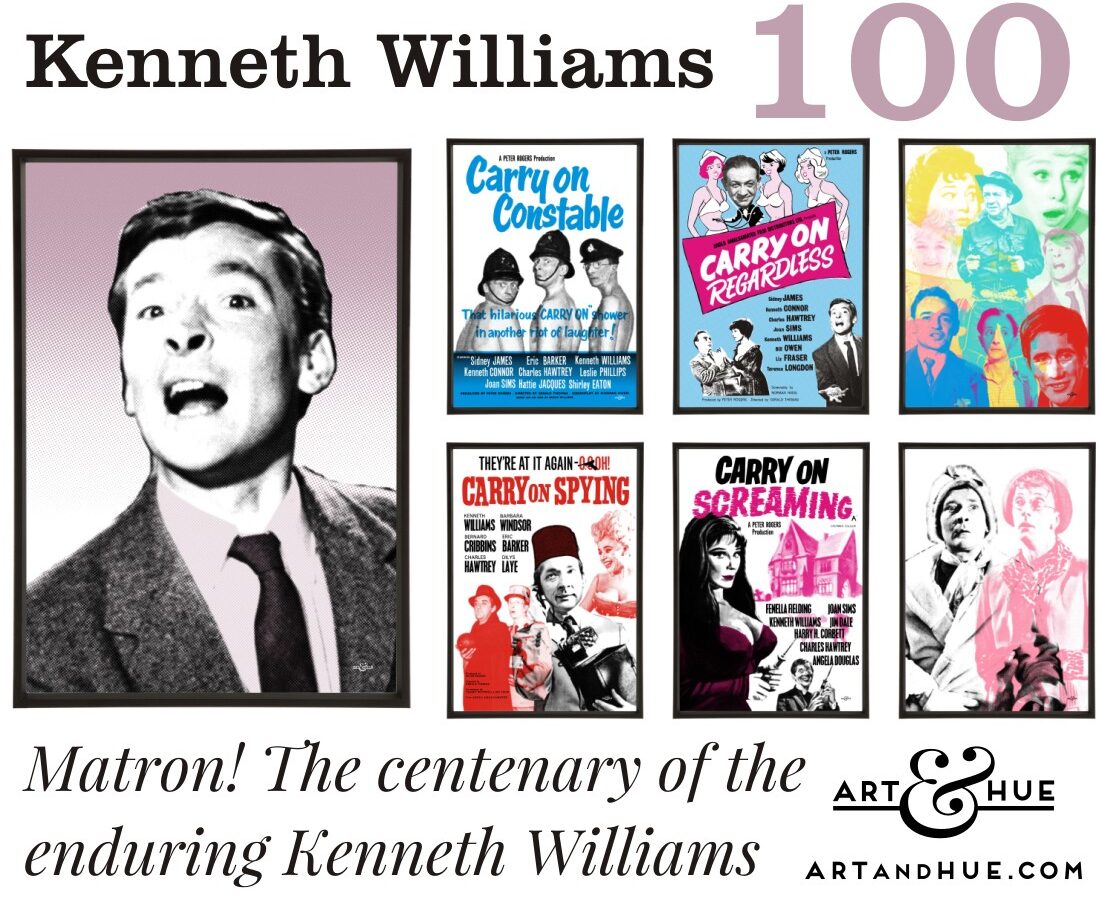
With the 100th anniversary of his birth taking place on the 22nd of February 2026, Art & Hue celebrates the unique Kenneth Williams.
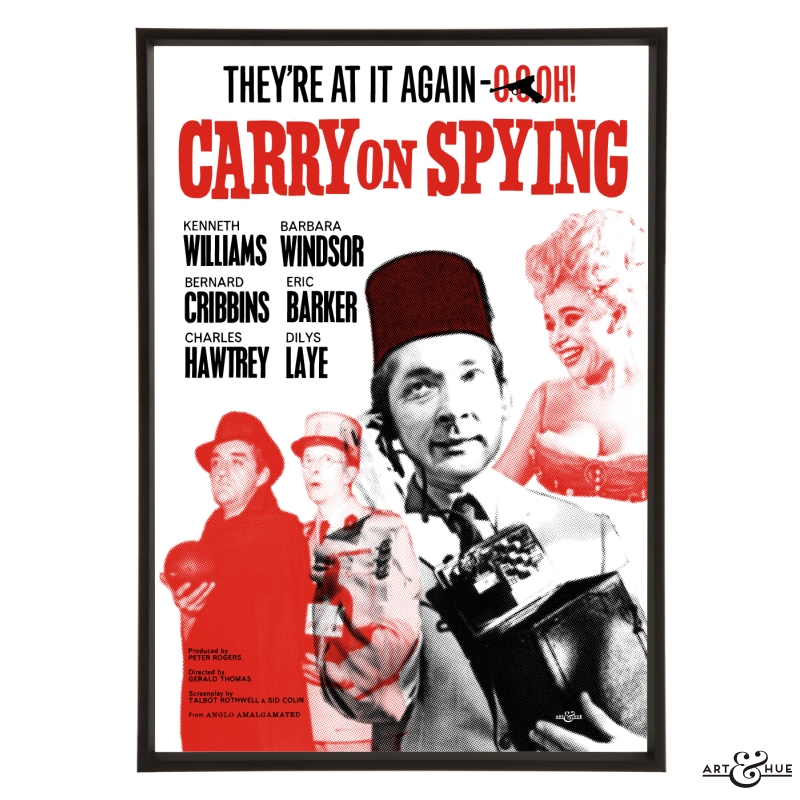
When someone exclaims “Matron!” with faux outrage at an inadvertent double entendre, it’s a testament to his enduring comic prowess that we’re channelling Kenneth Williams. Whilst he may have privately wished to work on more serious productions, his place in comedy history, as well as the British psyche, has been firmly established thanks to the Carry On films.
Williams first conquered the airwaves through the BBC, where radio comedy became his natural habitat. In “Hancock’s Half Hour”, he sparred with Tony Hancock, perfecting that hauteur which could deflate pomposity with a single elongated vowel.

Then came “Round the Horne”, and with it Julian of Julian and Sandy. Alongside Hugh Paddick, Williams smuggled polari, double entendres and unabashed camp into millions of “respectable” homes. This was the mid 1960s when homosexuality was still illegal, and would not be decriminalised in England & Wales until 1967, and yet there he was, raising an eyebrow so high it practically needed planning permission. Audiences roared (and the censors blinked), but something in British comedy had shifted.
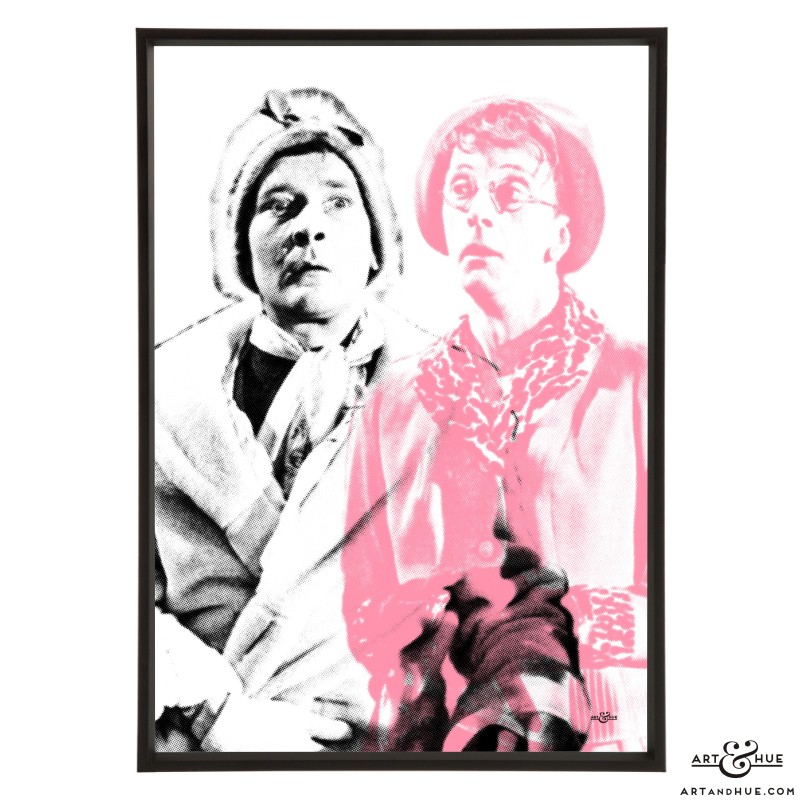
What made Williams daring was that he didn’t whisper difference from the sidelines, he howled it. During a period when many gay men were forced into careful discretion, he fashioned a persona that was flamboyant, fussy and gloriously theatrical. It was not a political protest yet, through punchlines, he brought camp into the mainstream. His camp was both armour and art form, allowing him to exist in plain sight whilst gently needling a society supposedly concerned with “propriety”.
Offstage, the published diaries show a more complicated figure; ambitious, sensitive, sometimes lonely. That contrast to his public persona has only deepened his legacy. The extravagant performer and the introspective private man sit side by side, reminding us that comedy can be both performance and protection.
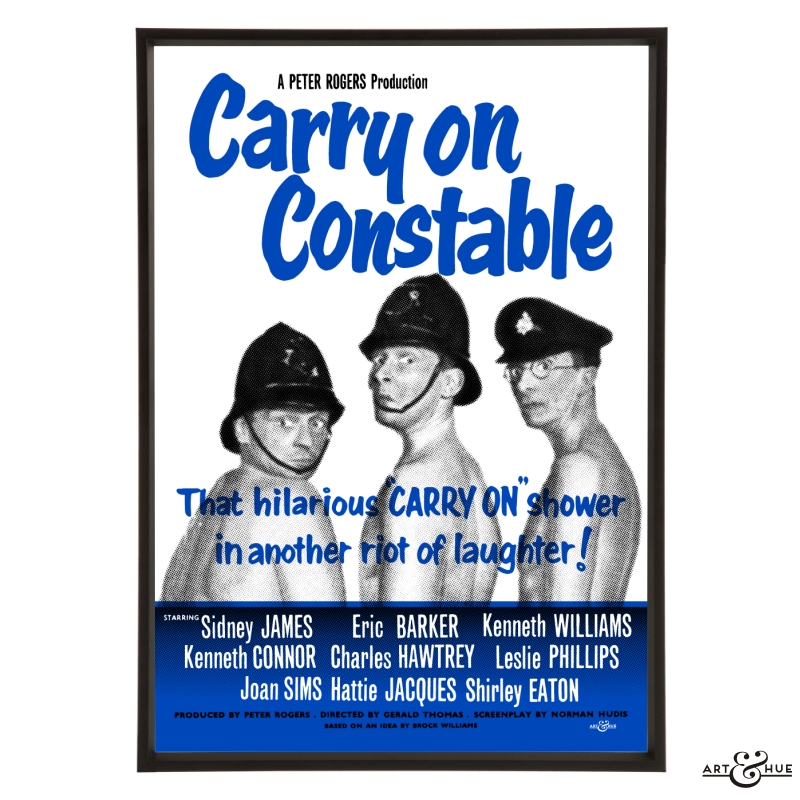
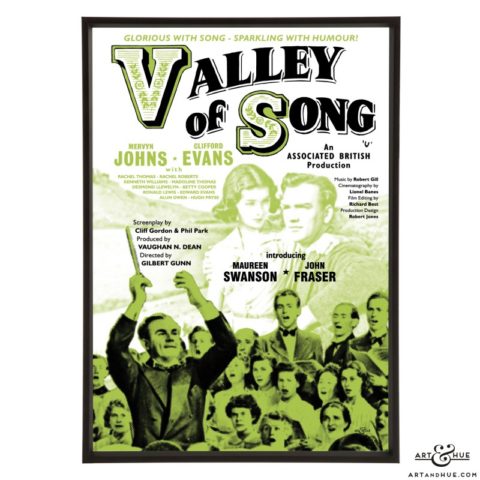
A renowned raconteur and ideal chat show guest (and host when he would sit in for Wogan), it was Kenneth’s acting that we still cherish to this day, thanks to ongoing television repeats of the Carry On films, as well as appearances in other titles, such as his uncredited performance in “Trent’s Last Case” with Orson Welles & Margaret Lockwood, his many voices in the popular animated series “Willo the Wisp”, and his first credited film role in “Valley of Song“, originally titled “Choir Practice”, directed by Gilbert Gunn.
“To Elstree for my one line in Choir Practice directed by Gilbert Gunn. It was all over for me by 12 o’c. Very nice. My father was played by Kenneth Evans. Two Kenneths. Terribly funny really.”
Williams’ lasting impact on the British psyche lies in his tone that still resonates. He helped define a national style that delights in innuendo, reveres language, and treats authority as something to be gently but persistently punctured. His influence lingers in the flamboyance of later comedians, in the mainstream ease with gay wit, and in every perfectly timed gasp of comic indignation.
So why, a hundred years on, does he still matter? Because Kenneth Williams has become a kind of cultural shorthand. He is the voice in our head when we affect outrage over something trivial; the reason we still say “Stop messing about!” when things get silly; and the ghost at every episode of “Just a Minute”, the Radio 4 panel game he graced for two decades, where he turned pedantry into an art form.

In many ways, Kenneth Williams was the embodiment of British comedy and British culture and society at large, the perfect blend of highbrow and lowbrow, never afraid to prick his own pomposity with a crude gag or base cackle, dropping the haughty & plummy tones for the wail of a London fishwife.
Kenneth’s legacy is being marked on what would have been his 100th birthday in London at two one-off events this year. At the British Library, an event featuring David Benson and Gyles Brandreth will delve into the archives. Benson has also revived his own one-man show, “My Life with Kenneth Williams“, for the centenary, currently on a nationwide tour until the end of April. Meanwhile, at the Jermyn Street Theatre, actor & impressionist Colin Elmer presents a one-night celebration using Williams’ own anecdotes & writings.
A century on, his voice still cuts through. Play a clip and there it is; incredulous, musical, unmistakably “Kenny”. Kenneth Williams did not just make Britain laugh, he taught us how to relish it, to savour the syllable, to cry “Matron!” at the absurdities of life and enjoy every second.
Kenneth Williams
22nd February 1926 – 15th April 1988
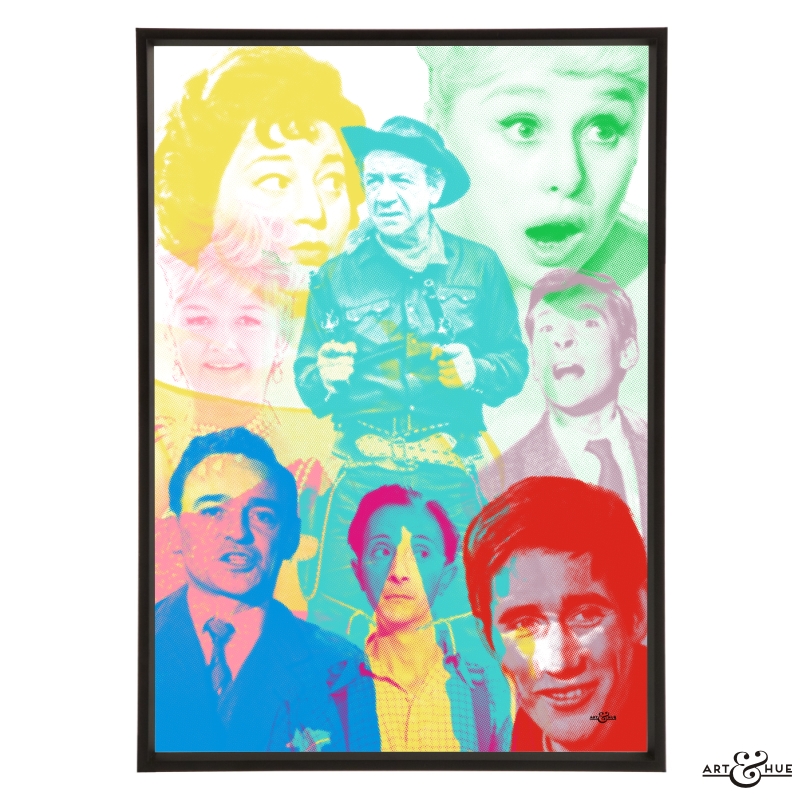
Commemorating 100 years since the birth of Kenneth Williams.
-
Valley of Song
£15.00 – £39.00 Select options -
Carry On Drag
£15.00 – £39.00 Select options -
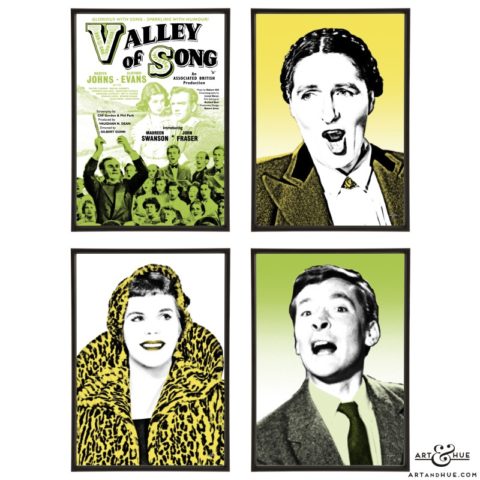
Valley of Song Group
£55.00 – £151.00 Select options -
Carry On Team
£15.00 – £39.00 Select options -
Kenneth Williams
£15.00 – £39.00 Select options -
Carry On Constable
£15.00 – £39.00 Select options -

Carry On Regardless
£15.00 – £39.00 Select options -
Carry On Spying
£15.00 – £39.00 Select options -
Carry On Screaming
£15.00 – £39.00 Select options -
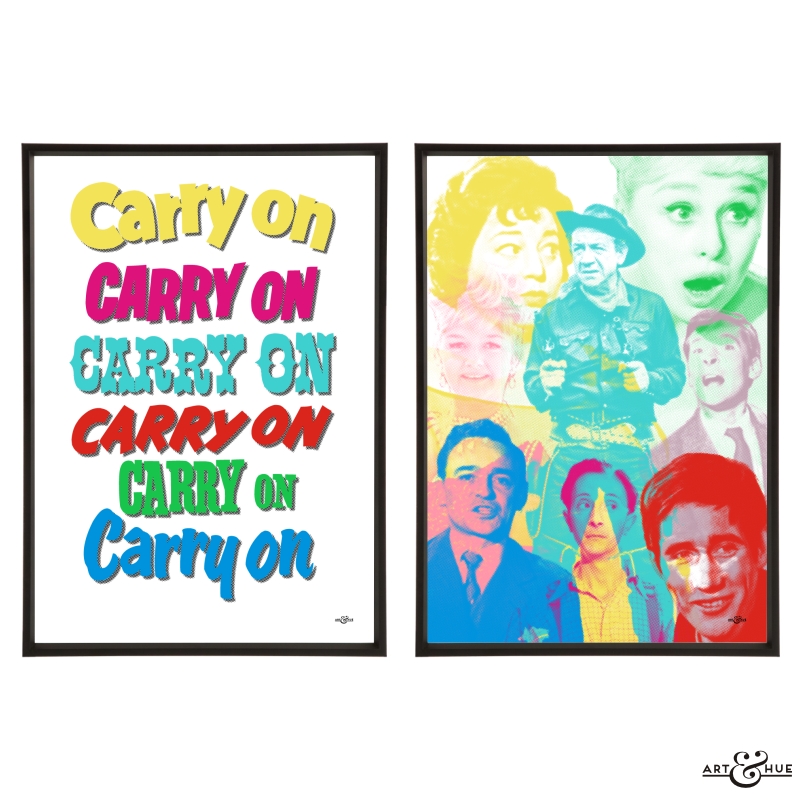
Carry On Pair
£28.00 – £76.00 Select options -
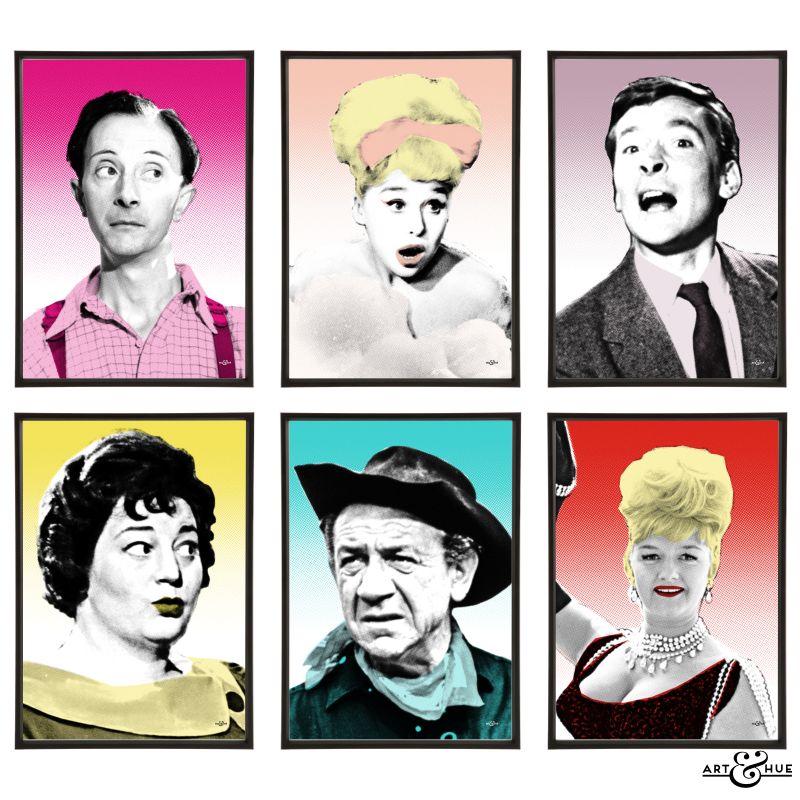
Carry on Cast Group
£82.00 – £226.00 Select options -
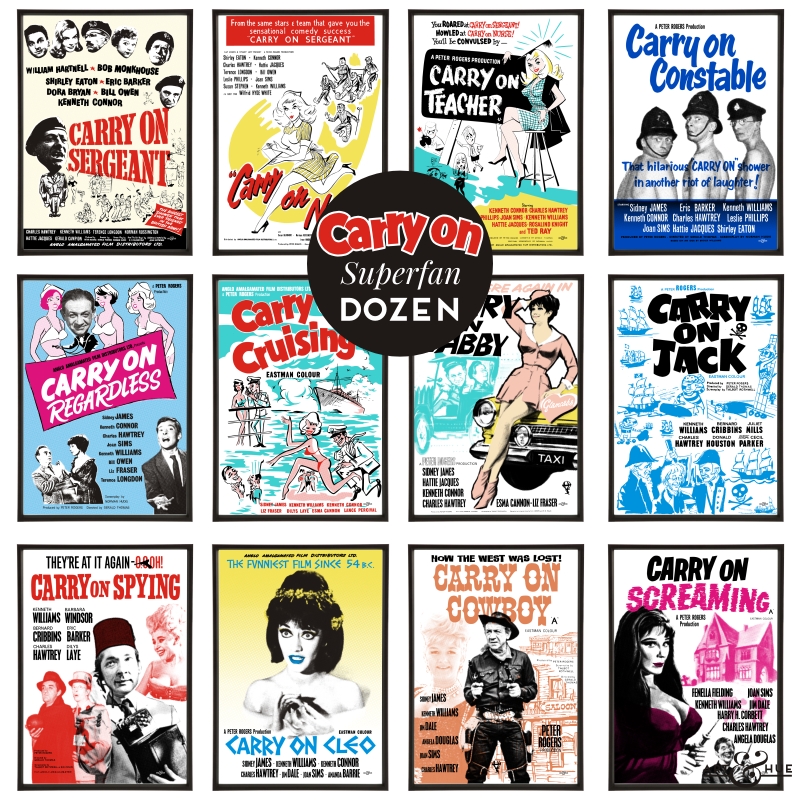
Carry On Posters Superfan Dozen
£160.00 – £448.00 Select options